Essay
The Architecture of Belonging
What it takes to design places where people feel they belong, before they are asked to build.
Ayooluniyi Ojeniyi
Contributor, The Place Collective
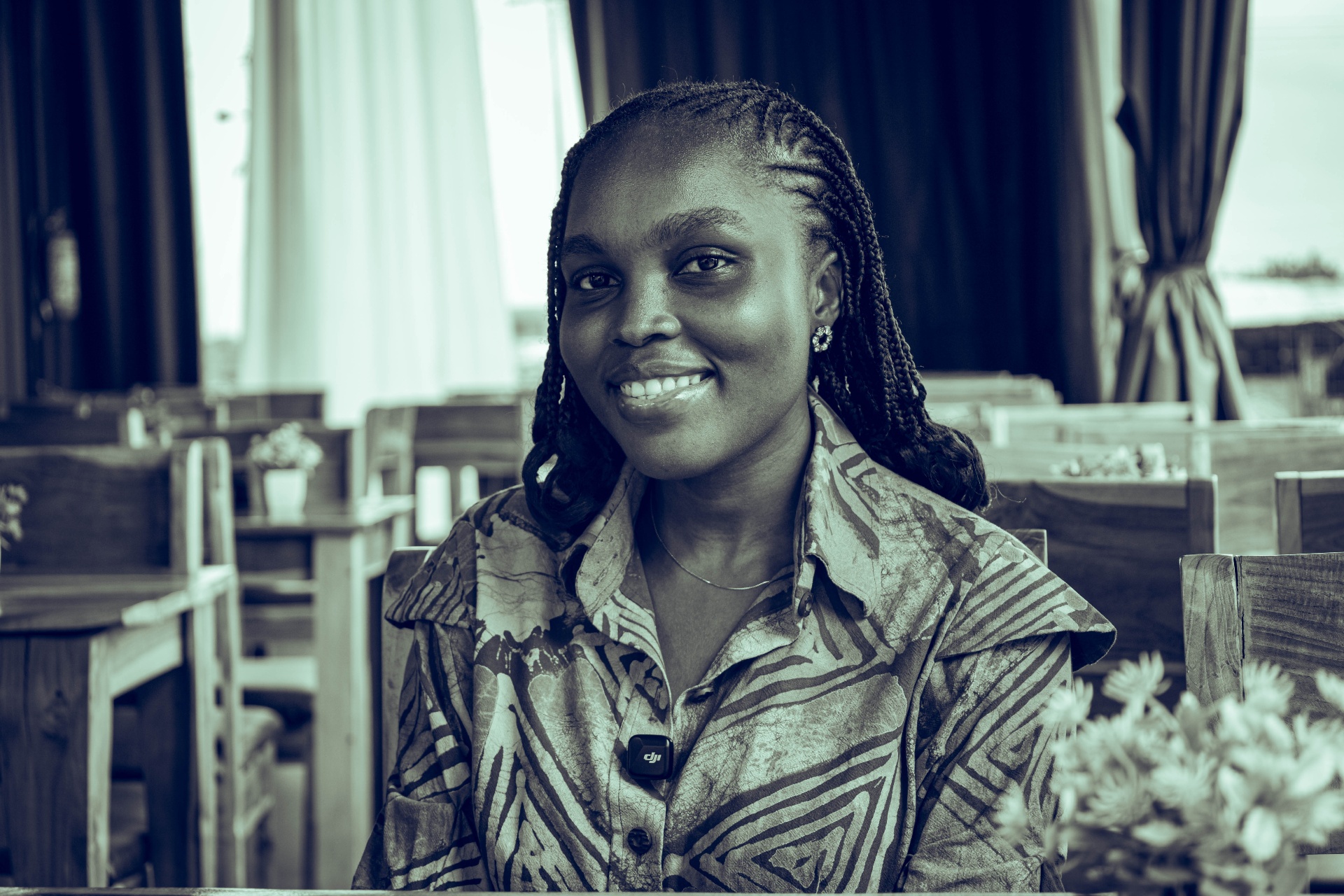
The idea of belonging is often thought of as a passive condition — a place you stumble upon or a feeling that you simply arrive at. Yet, when examined more deeply, belonging reveals itself to be an active process of construction, negotiation, and transformation. In my own journey to Ogbomoso, I've come to understand that belonging is built. It is negotiated, sometimes in silence, sometimes in pain. It is an architecture, not of brick and mortar, but of memory, relationship, and presence.
Growing up in Ibadan, I was familiar with the notion of what a place is, but was never truly anchored. I lived in several places with different families. My life felt fluid, a collection of transient moments without the grounding of any permanent space or community. This fluidity, however, shifted the moment I arrived in Ogbomoso for my undergraduate studies. It was here that I began to experience what anthropologists might call place-making: the process by which individuals and communities create meaningful relationships with their environments.
I did not arrive at this knowledge through theory or reflection alone. It was given to me through experiences built on the cusp of a moment I had once planned would be my last.
It was 2018. I had quietly decided that my birthday — August 14 — would be the day I'd end it all. I was a student in a new city, overwhelmed by the weight of becoming. I felt like an interruption to the world, not a contribution. My younger self saw no path forward — only the unbearable ache of feeling unnecessary.
Before that day, something unexpected happened. A friend from church, Silas Bamigbola, stopped me on my way back home. There was an opportunity: Ennovate Lab was looking for volunteer radio hosts. I didn't care much, but I said okay and somehow, I showed up.
That single act changed the trajectory of my life.
On August 13, I showed up for the interview. The person who interviewed me was Mr Jesudamilare Adesegun-David, Co-founder and CEO of Ennovate Lab. The interview turned into an encounter. His questions didn't skim the surface — they reached into the hidden, aching parts of me. He didn't know he was speaking to someone who had planned to die the next day. But in that room, his words felt like breath, like light, like fire on dry bones.
I walked in hollow. I walked out full of possibility. Like I could do so much for this world I live in, instead of leaving.
It wasn't just the opportunity that saved me — it was the presence of a room that saw me, that made space for me. That was the day I began to understand what it means to belong — not sentimentally, but viscerally.
And that is the beginning of what I now call the architecture of belonging.
I slowly began to negotiate isolation for community, pain for purpose…
Ogbomoso, unlike other places, was not simply a backdrop to my life — it became the medium through which I constructed my identity. My journey from a newcomer to someone who deeply identifies with Ogbomoso was marked by my interactions with the land and the community, which gradually shaped my sense of self and my purpose within this town.
The church community was my first introduction to Ogbomoso's relational geography. My participation in church created the initial bonds that laid the foundation for a deeper connection to the town. However, belonging didn't stop at religious spaces. It extended into the networks of care, creativity, and innovation that I found at Ennovate Lab, where I encountered a more structured sense of belonging, one that was not just social but also entrepreneurial, intellectual, and transformative.
I experienced firsthand the way a community can be constructed through collective effort. The Lab became a locus for action and collaboration. This was not a passive engagement; it was a continual process of contributing to the community while learning from it.
At the Lab, I began contributing to real projects, collaborating with others, and creating solutions. I wasn't just being "included" — I was being entrusted. Ennovate Lab wasn't just a place; it was a memory space. One of those rare places where the material and immaterial collide — where your pain meets purpose, and your uncertainty meets a blueprint.
And all of it started in a room I almost didn't want to walk into.
I now see that belonging is not a destination. It's a process of construction. It's place-making. It's the slow, intentional work of rooting, showing up, staying long enough to be shaped by both people and place. Even memory plays a part.
Memory here isn't just what we recall — it's what we reconstruct. The shared stories, the sacred interruptions, the rooms that made room for us. These memory-spaces are the very bricks in the architecture of belonging, of identity.
The identity I speak of here is not simply the values or traits, it is something being built over time through my interactions with others and with spaces. The architecture of belonging is not merely physical; it's about the formation of a cultural identity that resonates with the place and people. This is especially important when thinking of the role of memory.
Memory in this context is not just about remembering the past; it is about recollecting and reimagining experiences that continue to inform and shape one's sense of belonging. In Ogbomoso, I found that the town holds not just physical spaces but also memory spaces — moments of shared history, stories, struggles, and triumphs that continue to influence its identity.
I have a lot of such memory spaces. They are both the material and the immaterial components that create the architecture of my belonging.
What strikes me now, as I return to Ogbomoso after years away, is the shift from an observer to a participant in the community's ongoing process of transformation. I am not only studying the community from the outside but also participating in its rhythms, its stories, and its lived experiences. I am no longer an outsider looking in; I am an insider, embedded in the community's architecture of belonging. I've gone from someone looking for space to someone called to create it — to build spaces of restoration, inclusion, healing, and meaning.
This participatory shift is the true essence of belonging. The act of becoming part of a place is not only about finding a place you can call home but about contributing to the ongoing work of home-making and working at the construction of its meaning, until it transcends the material structures.
The architecture of belonging is not a static structure. It is a living, breathing process that evolves with time, shaped by the people who choose to stay, engage, and contribute to it.